Halifax Regional Municipality
Nova Scotia's strongest year-round STR market.
Why Halifax Works for Short-Term Rentals
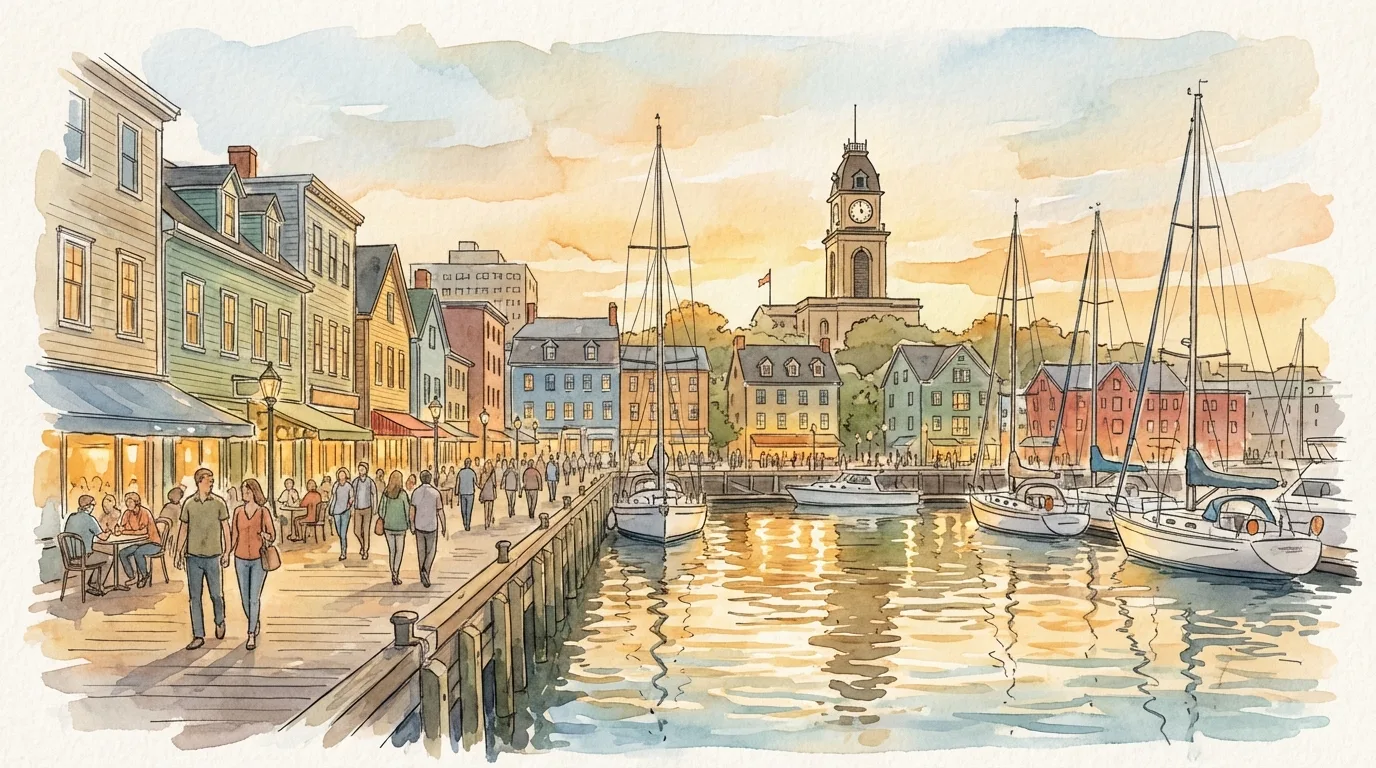
Halifax is the one market in Nova Scotia where STR demand runs twelve months a year. Business travellers, university visitors, medical patients, cruise passengers (200+ ships/year), military travel, tech relocations, and tourism keep the calendar full year-round.
You're not dependent on summer tourists. A downtown condo fills in October with a Dalhousie parent, in February with a tech worker relocating from Toronto, and in July with a family exploring the Maritimes.
- ADR range: $150-$280 depending on property type and season
- Downtown peninsula commands premium rates during events and cruise season
- Suburban properties compete on space — more bedrooms, higher total revenue
- Every HRM sub-market has a viable STR model
Sub-Areas We Cover
Halifax Peninsula
The core of the Halifax STR market and the highest concentration of short-term rental demand in the entire province. This is downtown Halifax — the waterfront, Spring Garden Road, the universities, the restaurants and bars on Argyle and Barrington. Guests walk to the ferry terminal, the Seaport Farmers' Market, the convention centre, and every major attraction the city offers. Studios and one-bedrooms perform exceptionally well here for couples and business travellers. Two- and three-bedroom units attract families and small groups who want an urban base to explore from. If you own property on the peninsula, you are sitting on the most bookable real estate in Nova Scotia.
Dartmouth
Locals call it "the city of lakes," and Dartmouth has been growing fast. Property prices are lower than the Halifax Peninsula, but STR demand is strong and rising — particularly from families and budget-conscious travellers who want to be close to downtown without paying downtown prices. The Alderney ferry puts you at the Halifax waterfront in 12 minutes. Dartmouth Crossing handles the shopping. And the lakefront trails — Banook, Micmac, and the Shubie Park canal system — give Dartmouth a character that downtown Halifax simply does not have. Larger units do well here. Families love the space.
Bedford & Sackville
Suburban and family-oriented. Properties here tend to be larger — three and four bedrooms with yards, driveways, and the kind of space that downtown condos cannot offer. Bedford Basin waterfront is a genuine draw. Highway access is easy. ADRs are lower per night, but larger bookings (more bedrooms means higher total revenue per night) and longer average stays make the math work. Families, groups, and relocating professionals who need room to spread out book here consistently.
Eastern Shore
Once you pass Cole Harbour heading east, you are in coastal Nova Scotia — but still within HRM. Lawrencetown, Musquodoboit Harbour, Sheet Harbour. This corridor appeals to nature seekers, surfers (Lawrencetown Beach is the best surf break in Atlantic Canada), and people who want the "rural Nova Scotia" experience without being three hours from an airport. Properties here sell the landscape. Waterfront access, quiet, stars at night. A different product than downtown Halifax, but a product with genuine and growing demand.
Western HRM
Tantallon, Hubbards, St. Margaret's Bay — this is where the South Shore begins. Lakefront and ocean-access properties with strong summer demand from families and couples looking for a quieter alternative to the city. Hubbards in particular has become a destination in its own right, with the Trellis Cafe, the cove, and the farmers' market drawing weekend visitors from Halifax. These properties book heavily May through October and can be strategically priced for shoulder season getaways the rest of the year.
Casa Scotia Was Born in Halifax
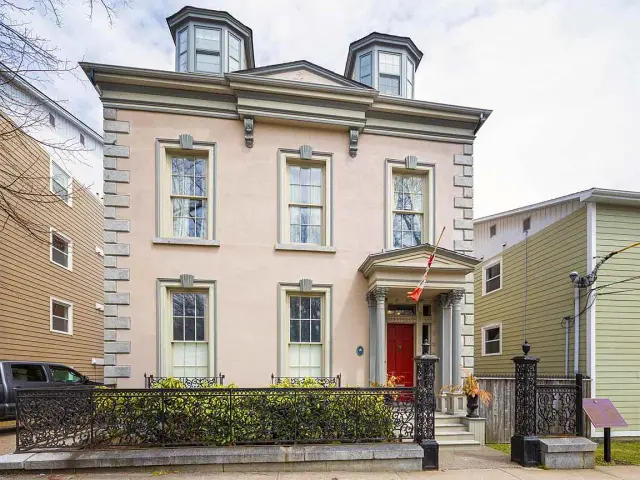
This is not a company that parachuted into the Nova Scotia market from somewhere else. Casa Scotia started right here. In 2016, our founders launched the Jonathan McCully House on Brunswick Street — a heritage property in the heart of downtown Halifax — as a short-term rental. Within two years, it became the highest-earning Airbnb in Nova Scotia. It held that position for three consecutive years, from 2018 to 2020.
The numbers tell the story: a 4.97 guest rating, 92% occupancy, and the top revenue position in the province for three straight years. We did not achieve that by following a generic playbook. We achieved it by understanding Halifax — its rhythms, its guest demographics, its event calendar, its seasons, its neighbourhoods. Every pricing decision, every design choice, every guest communication protocol we built came from operating in this specific market.
We know Halifax because we built our company in it. Every property we manage today benefits from what we learned on Brunswick Street and from every property we have managed since.
Halifax STR Regulations
Operating a short-term rental in Halifax means navigating two layers of regulation — provincial and municipal — plus tax obligations and insurance requirements that most property owners do not think about until something goes wrong. We cover the full picture in our HRM STR requirements guide and our detailed Halifax regulation breakdown, but here is what you need to know.
Provincial Requirements
Nova Scotia requires all short-term rental operators to register with the Tourist Accommodations Registry. This is mandatory across the province, regardless of how many nights per year you rent. If you are listing on Airbnb, VRBO, or any other platform, you need to be registered. The province has been actively enforcing this requirement.
HRM Zoning Rules
Halifax Regional Municipality has its own layer of STR regulation on top of the provincial rules. Zoning matters — some zones in HRM allow short-term rentals freely, others restrict them, and the rules differ depending on whether the property is your primary residence or a dedicated rental unit. Getting this wrong can mean fines or a forced delisting. It is worth checking before you invest in furniture.
Taxes & Levies
Two tax obligations apply to Halifax STR operators. The Halifax marketing levy is collected from guests and remitted to HRM — this funds tourism promotion for the municipality. Then there is HST: if your annual STR revenue exceeds $30,000 (and in Halifax, many properties cross that threshold), you are required to register for and collect HST. Missing either of these creates liability that compounds quickly.
Insurance
This is the one most owners overlook. Standard homeowner's insurance almost never covers short-term rental activity. If a guest is injured in your property and you are operating under a regular homeowner's policy, you may have no coverage at all. You need either a specific STR rider on your existing policy or a dedicated STR insurance policy. This is non-negotiable, and it is one of the first things we verify for every property we onboard.
We handle all of this for every property we manage. Provincial registration, municipal compliance, levy collection, tax remittance, insurance verification — all of it. You do not need to become a regulatory expert. That is our job. You can also check your municipality's specific STR requirements using our interactive regulation checker.
Owner resources
Already operating a rental? Run your listing’s numbers, see what switching managers involves, and learn who actually owns your Airbnb listing.
See What Your Halifax Property Could Earn
Free revenue estimate in 30 seconds. No commitment required.
Not sure about your area's STR rules? Check your municipality's requirements before you get started.