Nova Scotia is a four-season destination, and each season brings something genuinely different to the experience. This is not just marketing — the difference between July and January in Nova Scotia is the difference between paddling a warm lake at sunset and watching storm-driven waves pound a rocky coastline from the warmth of a window seat. Both are spectacular, but they demand completely different packing lists.
The best time to visit depends entirely on what you want from your trip. This guide breaks down the weather, events, crowd levels, and pricing for every season with the specific details — actual temperatures, real festival dates, and honest advice — you need to plan well.
Stay with Casa Scotia
Featured Nova Scotia vacation homes

The Oaks Seaside Retreat
Chester Basin · South Shore
Sleeps 10 · 5 bedrooms
See dates & prices
Oceanfront Sanctuary
Hubbards · St. Margarets Bay
Sleeps 8 · 4 bedrooms
NS registration STR2627B8450
See dates & prices
Serene Lakehouse
Hammonds Plains · near Halifax
Sleeps 12 · 5 bedrooms
NS registration STR2627A8856
See dates & prices
Sea House at Whynachts Cove
Tantallon · St. Margarets Bay
Sleeps 6 · 3 bedrooms
NS registration STR2627B2576
See dates & prices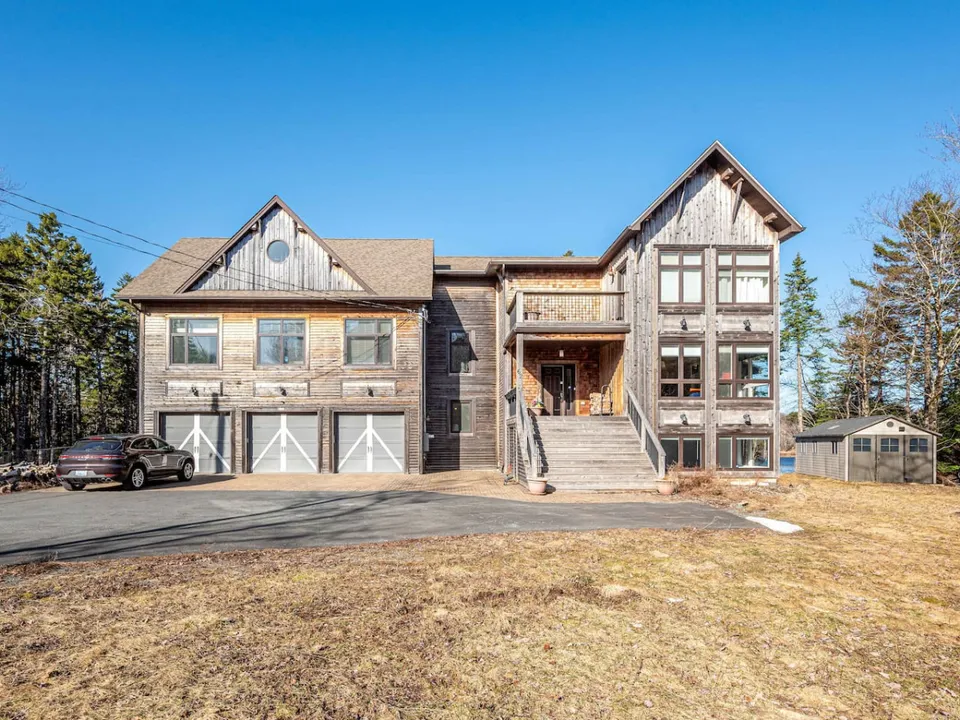
Schmidt Lake Mansion
Hammonds Plains · near Halifax
Sleeps 14 · 7 bedrooms
NS registration STR2627A6739
See dates & prices
Chateau on Moody Lake
Williamswood · near Halifax
Sleeps 12 · 5 bedrooms
NS registration STR2627A2260
See dates & pricesSummer (June to August): Peak Season
Weather
Summer is when Nova Scotia is at its most inviting. Here are the real numbers:
- June: Average high 19°C (66°F), average low 9°C (48°F). The beginning of the month can still feel spring-like, with cool evenings and occasional fog along the coast. By late June, summer has arrived.
- July: Average high 23°C (73°F), average low 14°C (57°F). The warmest month, with occasional heat waves pushing above 28°C. Humidity is moderate — nothing like Ontario or the US mid-Atlantic.
- August: Average high 23°C (73°F), average low 14°C (57°F). Similar to July but with noticeably shorter days toward month's end. Ocean temperatures peak this month at 16–18°C along the South Shore and 18–21°C in sheltered bays like Mahone Bay.
Freshwater lakes warm up faster than the ocean and are comfortable for swimming by mid-July, typically reaching 20–24°C. Days are gloriously long: Halifax sees nearly 16 hours of daylight at the summer solstice, with sunrise at 5:32am and sunsets around 9:15pm in late June. Even in August, you get daylight until past 8:30pm.
What to Do: Key Summer Events
Summer is festival season in Nova Scotia, and the calendar is packed:
- Royal Nova Scotia International Tattoo (late June/early July): One of the largest indoor shows in the world, this week-long event at the Scotiabank Centre in Halifax features over 2,000 military and civilian performers from around the globe. Pipe bands, military displays, acrobatics, and choral performances in a 10,000-seat arena. Tickets typically range from $35 to $85. The 2025 dates are June 27–July 1.
- Halifax Jazz Festival (mid-July): A 10-day waterfront music festival that draws tens of thousands of visitors. Many concerts are free on the outdoor stages, with ticketed shows for headline acts at venues across the city.
- Lunenburg Folk Harbour Festival (early August): Traditional and contemporary folk music in the UNESCO World Heritage town of Lunenburg. The 2025 dates are August 7–10. Weekend passes are typically $120–$180, and the intimate venues (churches, outdoor waterfront stages) create a special atmosphere you will not find at larger festivals.
- Halifax Pride Festival (late July): One of the largest Pride celebrations in Atlantic Canada, featuring a parade through downtown, concerts, and community events over 10 days.
- Busker Festival (late July/early August): International street performers take over the Halifax waterfront for a week of free shows, acrobatics, comedy, and magic.
- Stan Rogers Folk Festival (early July): Held in Canso on the Eastern Shore, "Stanfest" is a pilgrimage for folk music lovers. Three days of music on multiple stages in a small coastal town. Weekend passes around $175.
Beyond festivals, summer is the time for whale watching in the Bay of Fundy (humpback, minke, and fin whales are most active June through October, with peak sightings in August), sea kayaking along the Eastern Shore, surfing at Lawrencetown Beach, cycling the Cabot Trail in Cape Breton, and spending long days on the sandy beaches of the South Shore. The Cabot Trail — widely considered one of the most scenic drives in the world — is at its best in summer with all viewpoints, campgrounds, and hiking trails fully accessible.
Booking & Pricing
Summer is peak season, and the most popular vacation rentals book up three to six months in advance, especially for waterfront or lakefront properties during July and August. Nightly rates for vacation homes are at their highest from Canada Day (July 1) through Labour Day weekend (first Monday in September). A four-bedroom lakehouse that might rent for $250/night in May could be $400–$500/night in July. Despite being peak season, Nova Scotia still offers meaningfully better value than comparable destinations in Ontario's Muskoka, British Columbia's Okanagan, or coastal Maine.
Fall (September to November): Foliage & Festivals
Weather
September is often the single best month to visit Nova Scotia, and locals will tell you this freely.
- September: Average high 19°C (66°F), average low 10°C (50°F). Warm days, cool nights, low humidity, and the bugs are gone. The ocean is still at its warmest from August. Many locals consider this the ideal weather window.
- October: Average high 13°C (55°F), average low 5°C (41°F). Crisp, clear days with spectacular foliage. Nights can dip below freezing, especially inland and in Cape Breton. You will need a proper jacket.
- November: Average high 7°C (45°F), average low 0°C (32°F). The transition to early winter: grey skies, increasing rain, and the occasional early snowfall. Not the most scenic month, but the lowest prices and virtually no crowds.
What to Do: Key Fall Events
Fall foliage in Nova Scotia is world-class, and it unfolds over about six weeks from north to south:
- Cape Breton Highlands: Peak colour arrives in early to mid-October. The Cabot Trail at this time is breathtaking — mountains blazing in reds, oranges, and golds against the deep blue of the Atlantic and Gulf of St. Lawrence. This is arguably the most beautiful two weeks on the Cabot Trail all year.
- Central Nova Scotia & Halifax area: Peak colour mid-to-late October.
- South Shore: Peak colour late October into early November.
The Celtic Colours International Festival (October 10–18, 2025) is the premier fall event, bringing world-class Celtic music, dance, and storytelling to over 40 venues across Cape Breton Island over nine days. Concerts range from intimate church settings to larger halls, with tickets typically $25–$60 per show. It is one of Canada's premier cultural events and popular shows sell out well in advance — book by midsummer.
September and October also bring harvest season to the Annapolis Valley. U-pick apple orchards, pumpkin patches, farm stands overflowing with squash and corn, and wineries offering harvest tastings make the valley a food lover's paradise. The Devour! Food Film Fest in Wolfville (late October) is a unique event that combines cinema screenings with Nova Scotia's emerging food and wine culture — think film premieres paired with multi-course tasting dinners. The Harvest Wine Festival at various Annapolis Valley wineries (September–October) offers tastings, vineyard tours, and pairing dinners.
Booking & Pricing
September rates often drop 10–20% from peak summer prices, making it an excellent value. October rates drop further — typically 20–30% below summer — outside of Thanksgiving weekend (second Monday in October, when Canadians celebrate). Many vacation rentals offer weekly discounts for fall stays. Cape Breton accommodation during Celtic Colours books early, so plan ahead for that specific event. Outside of that, fall offers arguably the best balance of weather, value, and crowd avoidance in the entire year.
Winter (December to February): Quiet & Affordable
Weather
Nova Scotia winters are milder than most Canadians expect, thanks to the moderating influence of the Atlantic Ocean. They are also wetter and more variable than a continental winter — you might get rain one day and a snowstorm the next.
- December: Average high 2°C (36°F), average low −5°C (23°F). Early December can still feel like late fall. By Christmas, winter has usually set in.
- January: Average high −1°C (30°F), average low −10°C (14°F). The coldest month, with periodic thaws that can push temperatures above freezing for a day or two before the next cold snap.
- February: Average high 0°C (32°F), average low −9°C (16°F). Often the snowiest month. Halifax typically receives about 150 centimetres of total snowfall over the winter season.
Coastal areas tend to get more freezing rain and less snow than inland locations. Daylight hours are short: Halifax sees about 8.5 hours of daylight in late December, with sunrise at 7:52am and sunsets around 4:35pm. By February, days are noticeably lengthening again.
What to Do
Winter is for travellers who love quiet, atmosphere, and having places to themselves. The Halifax Christmas Parade of Lights in late November kicks off the season with an illuminated parade along the downtown streets, and the waterfront remains festive through December with seasonal markets and light displays. Cross-country skiing and snowshoeing are popular at trails across the province, including Kejimkujik National Park (groomed trails, warming huts), Cape Breton Highlands (backcountry snowshoeing with spectacular views), and numerous community trails throughout the HRM.
Storm watching along the coast is a dramatic, humbling experience that many winter visitors come specifically to experience. The waves crashing against the granite at Peggy's Cove or Duncan's Cove during a winter nor'easter are awe-inspiring (from a safe distance). Halifax's restaurant scene is year-round, and winter is actually a great time to get tables at popular spots that have summer waits. The Halifax Crafters Holiday Market (December) and the Evergreen Festival (Lunenburg, December) offer seasonal shopping and local artisan goods.
Booking & Pricing
Winter offers the lowest accommodation prices of the year, often 30–50% below peak summer rates. A lakehouse that commands $400/night in July might be available for $200–$250/night in January. Availability is abundant. This is the time to book a large property at a fraction of summer pricing, especially for extended stays. Monthly rates with additional discounts make winter ideal for remote workers and snowbirds looking for a maritime experience.
Spring (March to May): Renewal & Wildlife
Weather
Spring arrives gradually in Nova Scotia — more gradually than many visitors expect.
- March: Average high 3°C (37°F), average low −5°C (23°F). March still feels like winter in much of the province. Snow cover is common. Do not expect spring weather if you visit this early.
- April: Average high 8°C (46°F), average low 0°C (32°F). The thaw begins in earnest. Trails can be muddy and some roads in Cape Breton may still have seasonal restrictions. Daffodils and crocuses start appearing.
- May: Average high 14°C (57°F), average low 5°C (41°F). By late May, Nova Scotia genuinely feels like spring. The Halifax Public Gardens — one of the finest Victorian-era public gardens in North America, free admission, open 8am to sunset — are particularly beautiful from May onward, with tulips, rhododendrons, and flowering trees in full display.
Spring is also the wettest season (April averages about 110mm of precipitation), so pack rain gear regardless of your specific dates.
What to Do: Key Spring Events
The Annapolis Valley Apple Blossom Festival, held over six days in late May, is one of Nova Scotia's oldest and most beloved traditions, running since 1933. The festival features parades through valley towns, concerts, fireworks, and the spectacular sight of thousands of apple trees in full bloom across the valley floor. The coronation of the Apple Blossom Queen is a charmingly old-fashioned tradition that draws visitors from across the Maritimes.
Spring also marks the beginning of whale watching season. Humpback, minke, and fin whales begin arriving in the Bay of Fundy in May, and commercial boat tours operate from Digby Neck, Brier Island, Tiverton, and other launch points along the Fundy coast. A typical whale watching excursion runs 2.5–4 hours and costs $50–$75 per adult. Sighting rates are high from June onward, but May trips often encounter early arrivals in uncrowded waters. Birdwatchers will find spring migration rewarding, especially along the Eastern Shore and at Cape Sable Island, where shorebird concentrations can be remarkable in late May.
Booking & Pricing
Spring pricing is similar to fall: well below summer peak rates with excellent availability. Late May, around the Apple Blossom Festival and the Victoria Day long weekend (the unofficial start of cottage season in Canada), sees a brief uptick in demand. Otherwise, spring is a budget-friendly time to visit with increasingly pleasant weather and the anticipation of summer in the air.
Month-by-Month Quick Reference
- January: Coldest month. Average high −1°C (30°F). Lowest prices. Storm watching.
- February: Snowiest month. Average high 0°C (32°F). Winter sports. Budget rates.
- March: Late winter. Average high 3°C (37°F). Still cold, still affordable.
- April: Early spring. Average high 8°C (46°F). Muddy trails, emerging wildflowers.
- May: True spring. Average high 14°C (57°F). Apple Blossom Festival. Whale season begins.
- June: Early summer. Average high 19°C (66°F). International Tattoo. Long days. Prices rising.
- July: Peak summer. Average high 23°C (73°F). Jazz Festival. Best beach weather. Highest prices.
- August: Peak summer. Average high 23°C (73°F). Folk Harbour Festival. Warmest ocean temps.
- September: Early fall. Average high 19°C (66°F). Best overall value. Few crowds. Harvest season.
- October: Peak foliage. Average high 13°C (55°F). Celtic Colours. Devour! Food Film Fest.
- November: Late fall. Average high 7°C (45°F). Grey and rainy. Lowest tourism. Very affordable.
- December: Early winter. Average high 2°C (36°F). Christmas markets. Festive Halifax waterfront.
Other Useful Numbers
- Longest day: June 21 (sunrise 5:32am, sunset 9:15pm in Halifax — nearly 16 hours of daylight)
- Shortest day: December 21 (sunrise 7:52am, sunset 4:35pm in Halifax — about 8.5 hours of daylight)
- Peak foliage: Early-to-mid October in Cape Breton, mid-to-late October in Halifax area, late October on the South Shore
- Ocean water peak: August (16–18°C / 61–64°F on exposed South Shore, 18–21°C in sheltered bays)
- Lake water peak: Late July to mid-August (20–24°C / 68–75°F)
- Whale watching season: June through October (peak sightings August–September)
- Mosquito/black fly peak: Late May through late June, especially inland. By mid-July, bugs are manageable.
The Bottom Line
If you can only visit once, aim for late June through September. You will get the best weather, the most activities, and the longest days. If you are flexible and looking for value, September and early October offer a sweet spot of pleasant weather, spectacular colours, and prices that are 15–30% below peak summer rates. And if you are the type of traveller who loves having a place entirely to yourself, winter in Nova Scotia is a hidden gem — dramatic coastlines, cozy evenings, and vacation rental prices that make extended stays genuinely affordable.
No matter when you visit, a spacious vacation rental gives you a comfortable home base. Cook meals with fresh local ingredients from the farmers' market, spread out after a day of exploring, and wake up to lake or ocean views that no hotel lobby can match. Check our Halifax travel guide for help planning your itinerary, or browse our family vacation guide if you are travelling with kids.
Every Casa Scotia home
The Oaks Seaside Retreat
Chester Basin · South Shore
Sleeps 10 · 5 bedrooms
Waterfront with a private dock and hot tub
See dates & prices
Schmidt Lake Mansion
Hammonds Plains · near Halifax
Sleeps 14 · 7 bedrooms
Lakefront with a pool and hot tub
NS registration STR2627A6739
See dates & prices
Oceanfront Sanctuary
Hubbards · St. Margarets Bay
Sleeps 8 · 4 bedrooms
Private oceanfront setting with a hot tub
NS registration STR2627B8450
See dates & prices
Chateau on Moody Lake
Williamswood · near Halifax
Sleeps 12 · 5 bedrooms
Lakefront on Moody Lake with a pool
NS registration STR2627A2260
See dates & prices
Serene Lakehouse
Hammonds Plains · near Halifax
Sleeps 12 · 5 bedrooms
Lakefront on a golf course
NS registration STR2627A8856
See dates & prices
Sea House at Whynachts Cove
Tantallon · St. Margarets Bay
Sleeps 6 · 3 bedrooms
Waterfront on Whynachts Cove
NS registration STR2627B2576
See dates & prices
Highland Retreat
Wolfville · Annapolis Valley
Sleeps 10 · 4 bedrooms
Large-group mansion with a pool
NS registration STR2627A4548
See dates & prices
Oceanview Modern Home
Halifax
Sleeps 8 · 4 bedrooms
Views on all three floors, central Halifax
See dates & prices
Lake-house at Fletchers Lake
Fall River · near Halifax
Sleeps 8 · 4 bedrooms
Lakefront on Fletchers Lake
NS registration STR2627A7330
See dates & prices
Bright & Cozy Cottage
Dartmouth
Sleeps 8 · 4 bedrooms
Central Dartmouth with a large backyard
NS registration STR2627A9724
See dates & prices
Spyglass Seastead
Chester Basin · South Shore
Sleeps 8 · 4 bedrooms
Circa-1890 farmhouse near Oak Island
NS registration STR2627D0280
See dates & prices
Oceanfront Home with Private Water Access
Head of St. Margarets Bay
Sleeps 8 · 4 bedrooms
Oceanfront with private water access
NS registration STR2627B3076
See dates & prices
Grand Lake Sunset Haven
Oakfield · near Halifax
Sleeps 8 · 4 bedrooms
On Grand Lake with lake views
NS registration STR2627A5649
See dates & prices
Boutique Townhouse
Halifax
Sleeps 6 · 3 bedrooms
Historic townhouse across from Government House
NS registration STR2627C9318
See dates & prices
Modern Suite
Halifax
Sleeps 6 · 3 bedrooms
Single-level home near the Halifax waterfront
NS registration STR2627B5302
See dates & prices
Oceanfront Serenity & Sauna
Halifax
Sleeps 6 · 3 bedrooms
Oceanfront home with an outdoor sauna
NS registration STR2627A6021
See dates & prices
Oceanfront Getaway
Halifax
Sleeps 4 · 1 bedroom
Oceanfront suite with sauna and paddleboards
See dates & prices
Heritage Apartment
Halifax
Sleeps 2 · 1 bedroom
Downtown heritage building, renovated
NS registration STR2627C9318
See dates & prices
Lakefront Luxury Retreat
Hammonds Plains · near Halifax
Sleeps 10 · 4 bedrooms
Lakefront with a heated pool and arcade
Ask about your dates
Heritage Estate 1893
Wolfville · Annapolis Valley
Sleeps 20 · 7 bedrooms
1893 former inn, walk to downtown Wolfville
NS registration STR2627T0915
Ask about your dates